Wimbledon Village carpet cleaning guide for period homes
If you live in a Victorian terrace, an Edwardian flat, or one of the charming older houses around the village, carpet care is rarely simple. The pile may be older, the underlay may be fragile, and the room itself may have a few surprises tucked away in the corners. This Wimbledon Village carpet cleaning guide for period homes is designed to help you clean sensitively, avoid expensive mistakes, and keep those rooms looking cared for rather than over-restored.
Period homes ask for a different approach. Strong chemicals, too much moisture, or a rushed method can leave a dull patch, tide marks, or even damage the backing. The good news? With the right preparation and method, you can freshen carpets, lift soil from foot traffic, and deal with spills without upsetting the character of the property. Let's take it step by step.
Table of Contents
- Why carpet cleaning matters in period homes
- How the cleaning process works
- Key benefits and practical advantages
- Who this guide is for
- Step-by-step guidance
- Expert tips for better results
- Common mistakes to avoid
- Tools, resources and recommendations
- Law, compliance, standards and best practice
- Options and method comparison
- Real-world example
- Practical checklist
- Conclusion
- Frequently asked questions
Why Wimbledon Village carpet cleaning guide for period homes Matters
Period homes are beautiful, but they can be a little fussy. That is not a criticism; it is just the reality of older materials, changing humidity, and carpets that may have been fitted years ago and never quite lifted since. A heavy-handed clean can make a carpet look worse before it looks better, especially if the fibre is wool, the dye is unstable, or the room has radiators that dry things unevenly.
In Wimbledon Village, many homes combine traditional features with active family living. Mud from the garden, damp shoes after a grey London morning, pet traffic, and everyday wear all build up quietly. The carpet might not look dramatic at first, then one sunny afternoon you notice the traffic lanes by the sofa and think, oh, there it is. That is usually the moment people realise maintenance matters more than they expected.
The aim is not to scrub carpets into submission. It is to preserve texture, colour, and structure. That matters both aesthetically and financially. Well-cared-for carpets can make a period room feel grounded and calm, while neglected carpets can make even a restored space feel tired.
Key point: in period homes, the safest clean is usually the one that respects the carpet's age, fibre, and backing rather than chasing the strongest possible result.
If you are comparing cleaning options, it can help to look at a dedicated carpet cleaning service overview alongside broader services such as stain removal support or rug cleaning for movable pieces that deserve a gentler hand.
How Wimbledon Village carpet cleaning guide for period homes Works
The process starts with inspection, not cleaning. That sounds obvious, but you would be surprised how often people skip the boring bit and go straight for a machine. A careful inspection checks the fibre type, visible wear, stain history, dye stability, seams, and any areas where moisture could seep under the carpet.
From there, the method should match the carpet. Wool reacts differently from synthetic blends. A loop-pile in a hallway behaves differently from a plush bedroom carpet. And if the property has original floorboards underneath, too much water is simply not worth the risk.
Professional cleaning normally involves a combination of:
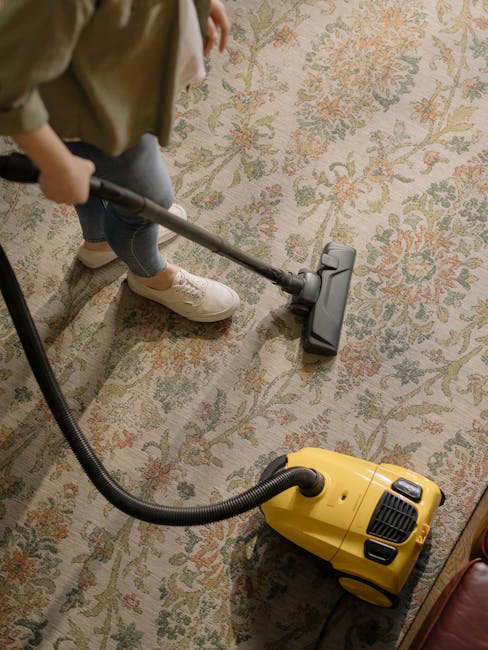
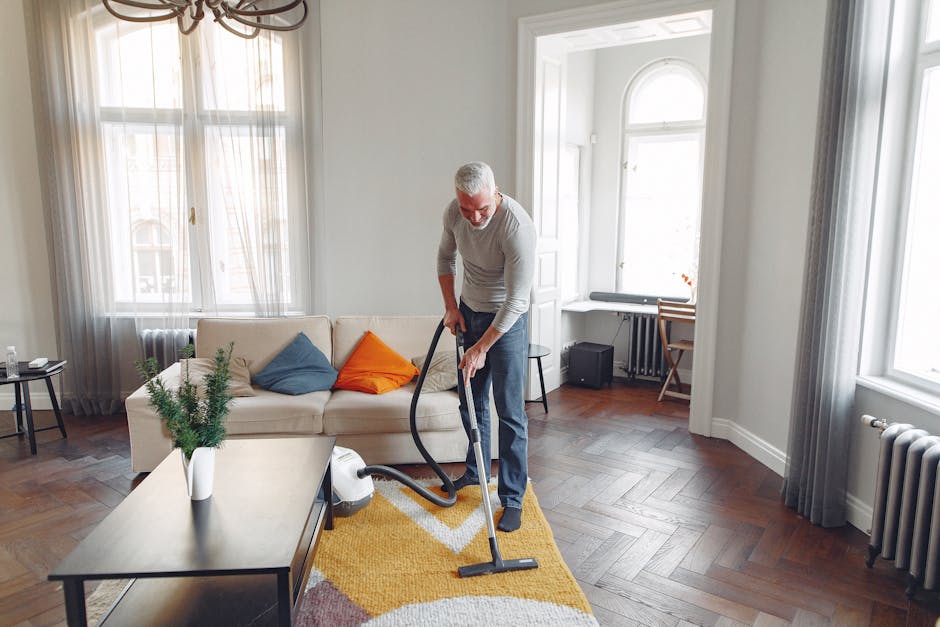
- dry soil removal with thorough vacuuming
- spot testing in a discreet area
- targeted pre-treatment for stains or traffic areas
- controlled cleaning, often with low-moisture or steam-based methods depending on the carpet
- careful extraction or drying to reduce lingering damp
- final grooming so the pile dries evenly
Steam cleaning is often discussed, and for some carpets it can be a very effective approach. Still, steam is not magic. It needs control, the right temperature, and proper extraction. If the carpet is delicate, a lower-moisture method may be safer. You can explore a more focused steam carpet cleaning option if you want to understand where that method fits.
For period homes, the biggest question is not "Can it be cleaned?" It is "How do we clean it without stressing the materials?" That subtle shift makes all the difference.
Key Benefits and Practical Advantages
Good carpet cleaning does more than brighten the room. In an older house, it can help preserve the whole feel of the interior. A clean carpet softens acoustics, reduces that slightly stale note old textiles can develop, and makes furniture and skirting boards look better too. Funny how one clean floor can lift the whole room.
- Improved appearance: traffic lanes, dull patches, and small marks become less noticeable.
- Longer carpet life: removing gritty soil reduces fibre wear from everyday footfall.
- Better hygiene: dust, crumbs, pet hair, and allergens are reduced.
- Odour control: old carpets can hold smells from pets, spills, or moisture.
- Protection for heritage interiors: careful cleaning respects the age and finish of period materials.
- Better first impression: useful if you are hosting, selling, or simply trying to enjoy your home more.
There is also a practical side to all this. A clean carpet makes it easier to see real wear rather than surface dirt. That matters when you are deciding whether a carpet needs repair, restretching, or simple maintenance. In other words, cleaning helps you make smarter decisions later on.
Who This Is For and When It Makes Sense
This guide is for homeowners, landlords, and anyone responsible for a period property in or around Wimbledon Village who wants a careful, sensible approach to carpet care. It is especially relevant if your home has older wool carpets, fitted stair runners, or decorative rugs that have been in place for years.
It also makes sense if you are preparing for one of those life moments that always seem to arrive at the same time: guests coming over, a move-out inspection, a family gathering, or a room refresh after decorating. You know the scene. You finish painting, stand back, and suddenly the carpet looks twice as tired as it did yesterday.
You may need a specialist approach if:
- the carpet is original or very old
- the colour has faded unevenly
- there are signs of moth damage or weak seams
- the room has poor ventilation
- you have pets, children, or frequent visitors
- the carpet has repeated stains in the same area
If the issue is not the carpet itself but the surrounding soft furnishings, a matching clean for curtains or upholstery can make the whole room feel more balanced. For example, curtain cleaning or upholstery cleaning can stop a freshly cleaned carpet from being let down by dusty fabric elsewhere.
Step-by-Step Guidance
Here is a practical way to tackle carpet cleaning in a period home without rushing into trouble.
- Identify the carpet type. Wool, wool blend, synthetic, and natural fibre carpets all behave differently. If you are unsure, assume it is more delicate than it looks.
- Check the age and condition. Look for thin areas, loose edges, faded dye, or previous repairs. A carpet that looks sturdy in one corner may be fragile in another.
- Vacuum slowly and thoroughly. Use a good vacuum with a clean head. Slow passes remove more grit than a quick sweep.
- Test cleaning products first. Always test a small hidden area. Wait for it to dry. That part matters.
- Deal with spots before full cleaning. Fresh spills, pet accidents, and dark marks should be treated individually where possible.
- Choose the right method. Low-moisture cleaning, careful hot water extraction, or targeted stain treatment may be suitable depending on the carpet.
- Control moisture. Over-wetting is one of the fastest ways to create wicking, browning, or odour problems in older carpets.
- Dry properly. Open windows if the weather allows, improve airflow, and avoid putting furniture back too quickly.
- Inspect again once dry. Some stains only reveal themselves after drying. Annoying, yes, but useful.
If you are dealing with a persistent mark rather than a general clean, it can help to read up on targeted pet stain and odour removal before attempting a wider treatment. Pet issues in older homes can be especially sneaky because smells settle into fibres and padding.
Expert Tips for Better Results
A few small habits can make a big difference. The first is to clean before a carpet looks dirty, not after it has become grey around the edges. Preventive care is always easier than rescue work.
Second, use the least aggressive method that still solves the problem. That sounds cautious because it is. In period homes, caution is often the smartest professional habit.
Third, work with the room, not against it. On a chilly morning, carpets dry more slowly near external walls and under heavy furniture. Near a bay window, sunlight may dry one section faster than the rest. Those uneven drying zones can leave marks if you are not paying attention.
Other practical tips:
- move furniture only when necessary, and protect legs with pads
- keep cleaning strokes consistent so pile direction does not look patchy
- avoid scrubbing stains in circles, which can spread the mark and roughen the fibre
- blot, don't rub, if a spill is fresh
- air the room after cleaning, but don't blast the carpet with excessive heat
- if in doubt, stop and assess rather than adding more product
A small aside: the temptation to "just give it another go" is real. We have all done it. Usually that is when a stain turns from a stain into a story. Best not.
Common Mistakes to Avoid
Most carpet problems in period homes are not caused by cleaning itself. They come from the wrong kind of cleaning. The usual culprits are familiar.
- Using too much water: this can lead to damp backing, lingering smell, and browning around the edges.
- Skipping a test patch: especially risky with older dyes or natural fibres.
- Using strong bleach-like products: they may remove colour faster than they remove the stain.
- Rubbing aggressively: this can distort pile and spread the stain deeper.
- Ignoring the underlay: sometimes the surface looks fine while the smell underneath tells another story.
- Drying too slowly: poor ventilation can leave a flat texture or musty odour.
- Cleaning around the problem only: spot-cleaning a dirty patch without blending the surrounding area can leave a halo effect.
One of the most common misjudgements is assuming every stain should disappear immediately. In reality, some marks on older carpets are partly dye transfer, partly wear, and partly history. That does not mean they cannot improve. It just means a sensible result may be better than an overzealous one.
Tools, Resources and Recommendations
You do not need a van full of equipment to care for period home carpets, but a few reliable tools make life much easier. A decent vacuum is the starting point. Add white cloths for blotting, a gentle carpet-safe spot cleaner, a soft brush, and some patience. Honestly, patience may be the rarest tool of all.
For a homeowner doing careful upkeep, a simple kit might include:
- vacuum with adjustable height
- microfibre or white cotton cloths
- small bowl for diluted cleaning solution
- soft-bristled brush
- fan or good natural airflow for drying
- protective pads or foil under furniture legs during drying
If the carpets are valuable, large, or particularly fragile, professional help is often the more sensible route. A general carpet cleaning service may suit most rooms, while specialist items such as heirloom rugs may be better handled through rug cleaning. If the issue is actually furniture rather than flooring, sofa cleaning can keep the room consistent.
If you like to compare service options, take a look at pricing and quotes so you can judge what level of service fits the condition of the carpet, not just the room size.
Law, Compliance, Standards and Best Practice
For most homeowners, carpet cleaning is a practical maintenance task rather than a regulated project. Still, best practice matters. A professional cleaner should work carefully with products, ventilation, electrical equipment, and water use, especially in homes with older floors and tight staircases.
In the UK, sensible practice usually means checking the suitability of cleaning agents, following product instructions, protecting floors and furnishings, and keeping people safe while equipment is in use. If a property has tenants, landlords and agents also need to be mindful of handover standards, but it is best not to treat cleaning as a substitute for repair. A worn carpet may still need fixing even after a good wash.
Insurance and safety are worth asking about too. Older properties can present little surprises: fragile edging, awkward stairs, sensitive electrics, or rooms with limited access. A reliable provider should be happy to explain how they approach risk. You can review the company's own insurance and safety information and health and safety policy if you want a clearer picture of working practices.
Good environmental practice matters as well. Many homeowners prefer methods that avoid wasteful water use or unnecessary harsh chemicals. If sustainability is on your mind, the site's recycling and sustainability page is a useful place to see how that side is handled.
Options, Methods, or Comparison Table
Different carpets need different treatments. There is no single best method for every period home, which is mildly inconvenient but true.
| Method | Best for | Strengths | Watch-outs |
|---|---|---|---|
| Hot water extraction / steam-style cleaning | Durable carpets with general soiling | Good deep clean, effective soil removal | Can be too wet for delicate or old carpets if not controlled |
| Low-moisture cleaning | Fragile fibres, older rooms, quick turnaround | Less drying time, lower water risk | May need more careful stain pre-treatment |
| Spot treatment only | Small isolated marks | Targeted, minimal disturbance | Can leave visible patches if the surrounding area is dirty |
| Professional rug cleaning | Loose rugs and heritage pieces | More controllable off-site or specialist handling | Needs careful transport and handling |
For a Victorian sitting room with wool carpet and moderate wear, a controlled low-moisture or carefully managed extraction clean may be appropriate. For a hallway runner with embedded grit and frequent use, a stronger deep clean may be justified. The trick is matching the method to the room, not the other way round.
Case Study or Real-World Example
Consider a typical Wimbledon Village family home: front reception room, original features, two fireplaces, and a carpet that has done the hard work for years. The carpet looks fine from a distance, but closer up you can see traffic lanes near the doorway and a faint dark patch where a drink was spilled during winter. Nothing dramatic. Just enough to irritate you every time the afternoon light hits it.
In a case like this, a cautious approach usually works best. First, the room is vacuumed slowly and the stain is checked in a hidden corner. Then the darker patch is treated separately before any broader cleaning begins. A controlled cleaning pass lifts the overall soil, and drying is managed with ventilation rather than excess heat. Once dry, the room feels lighter, and the carpet no longer drags the whole space down.
The important detail is not that everything becomes brand new. It doesn't. Period homes should not look sterilised. They should look cared for, comfortable, and honest. A good clean preserves that feeling.
Practical Checklist
Before you clean a carpet in a period home, run through this list.
- Identify the carpet fibre and approximate age
- Check for loose seams, worn areas, or damaged backing
- Vacuum thoroughly before any wet treatment
- Test products on a hidden section
- Choose the least aggressive method that will do the job
- Keep moisture controlled and even
- Improve airflow for drying
- Protect nearby woodwork, furniture, and walls
- Treat stains separately if needed
- Inspect the carpet once it is fully dry
If you are still deciding what level of help you need, it may also be useful to review the company's about us page or check how they handle customer concerns through the complaints procedure. That sort of reassurance matters when you are letting someone work in a home with character.
Conclusion
Cleaning carpets in Wimbledon Village period homes is part science, part judgement, and part restraint. The best results usually come from understanding what the carpet can tolerate, not from trying to force a perfect finish. If you respect the fibres, manage moisture carefully, and stay realistic about what older materials can do, you will protect both appearance and value.
That is really the heart of it. Keep the cleaning gentle, consistent, and appropriate to the house you live in. The room will thank you for it in ways you notice over time: fewer dull patches, less odour, better texture, and a calmer overall feel.
Get a free quote today and see how much you can save.
And if you are preparing a whole room rather than just the floor, you may find it helpful to pair carpet care with mattress cleaning or curtain cleaning so the space feels genuinely refreshed, not halfway done. Little wins add up. They always do.
Frequently Asked Questions
What is the safest carpet cleaning method for a period home?
There is no single safest method for every carpet, but low-moisture cleaning is often a sensible starting point for older or delicate carpets. For more durable wool carpets, controlled extraction may work well if drying is carefully managed.
Can steam cleaning damage old carpets?
It can if the carpet is fragile, poorly bonded, or over-wetted. Steam-style cleaning is not automatically risky, but it should be matched to the fibre type and the condition of the backing. That is the key bit.
How often should carpets in period homes be professionally cleaned?
It depends on foot traffic, pets, children, and the carpet type. In busy homes, yearly cleaning is common; in quieter rooms, less frequent cleaning may be enough. Regular vacuuming still does most of the daily work.
Will carpet cleaning remove old stains completely?
Not always. Some stains are permanent, some have set into the fibres, and some have affected the dye. A good clean often improves them a great deal, but complete removal cannot be promised honestly.
Is wool carpet harder to clean than synthetic carpet?
Usually, yes. Wool is resilient, but it is also more sensitive to strong alkalines, over-wetting, and poor drying. Synthetic carpets are often more forgiving, though they still need care in older properties.
What should I do first if I spill something on an old carpet?
Blot it immediately with a clean white cloth. Don't rub. Then work from the outside of the spill inward with a small amount of suitable cleaning solution if the fibre allows it. If you are unsure, stop early rather than making it bigger.
Do period homes need special drying after cleaning?
Yes, often they do. Older rooms can have cooler corners, thicker walls, or limited airflow, all of which slow drying. Good ventilation and avoiding heavy furniture placement too soon help a lot.
Can carpet cleaning remove pet odours in older houses?
Sometimes, yes, especially if the source is in the carpet fibres rather than deep in the underlay. Persistent odours may need a more targeted approach such as pet stain and odour removal.
Should I clean the carpet before or after decorating?
Usually after decorating, once paint, dust, and any building debris have settled. If you clean first, the room may pick up dust again during the work. No one needs that extra round of effort.
How do I know if a carpet is too fragile to clean at home?
If it has visible wear, loose seams, old repairs, or unstable colour, or if you simply do not know its construction, it is safer to avoid DIY wet cleaning. In that case, a professional assessment is the better move.
Are rugs easier to clean than fitted carpets in period homes?
Often they are, because loose rugs can be moved and treated more selectively. Still, delicate rugs can be surprisingly sensitive, so specialist handling through rug cleaning is usually the wiser option for valuable pieces.
What is the most common mistake homeowners make?
Using too much water, followed closely by using the wrong cleaner. The temptation is understandable, but older carpets usually respond better to restraint and patience than to brute force.