Upholstery Cleaning in Your Home: A Practical, Fresh, and Long-Lasting Approach to Cleaner Furniture
Upholstery cleaning in your home is one of the most effective ways to refresh your living space, improve indoor hygiene, and extend the life of your furniture. Sofas, armchairs, dining chairs, ottomans, and other fabric-covered furnishings collect dust, body oils, pet dander, crumbs, stains, and odors over time. Even when they look fine at first glance, upholstery can hold onto allergens and grime that affect both comfort and appearance. That is why professional upholstery cleaning in your home has become such an important part of regular property care.
If you want your furniture to look better, smell fresher, and last longer, upholstery care should be part of your maintenance routine. The process is not only about appearance; it is also about fabric preservation and healthier living conditions. With the right methods, upholstery cleaning in your home can remove deep-set dirt without damaging delicate materials. In this article, we will explore why upholstery cleaning matters, how different cleaning methods work, which fabrics need special attention, and how to keep your furniture cleaner between professional visits.
Whether you are dealing with a single stained couch or want to improve the overall cleanliness of your interior, understanding upholstery cleaning in your home can help you make smarter decisions. From everyday maintenance to deep cleaning solutions, the right approach can make a dramatic difference. Book your service now if your furniture is overdue for a refresh, or keep reading to learn what makes a successful cleaning routine.
Why Upholstery Cleaning in Your Home Matters
Many people focus on vacuuming floors and wiping counters, but upholstery is often overlooked. Soft furnishings act like filters, trapping debris that floats through the air. Over time, the fabric can become a reservoir for dust mites, pollen, pet hair, and everyday dirt. Upholstery cleaning in your home helps remove these contaminants before they become embedded deep in the fibers.
Clean upholstery also improves the overall look of a room. A bright, well-maintained sofa can transform a living space, while a dull or stained one can make the entire room feel tired. Professional upholstery cleaning in your home restores color, lifts matted fibers, and helps fabric regain its original texture. This visual improvement often makes the entire space feel more inviting and organized.
There is also a practical side to cleaning. Fabric that is left untreated can wear out faster, especially in high-use areas such as seat cushions, armrests, and back supports. Regular upholstery cleaning in your home helps reduce the buildup of abrasive particles that can weaken fibers over time. In other words, consistent care protects your investment and delays the need for replacement.
Common Upholstery Types and How They Respond to Cleaning
Not all furniture fabrics are created equal. Some are durable and easy to clean, while others are delicate and require a more careful approach. Knowing what your upholstery is made of is a major step in choosing the right cleaning method. Common materials include cotton, linen, polyester, microfiber, velvet, leather, and blends. Each responds differently to moisture, heat, and cleaning products.
For example, microfiber is popular because it is durable and resistant to wear, making upholstery cleaning in your home relatively straightforward when done correctly. Cotton and linen, on the other hand, can be absorbent and more likely to show water marks if over-wetted. Velvet requires special handling because the pile can crush or distort. Leather is not technically fabric, but it still needs gentle, targeted cleaning and conditioning to remain supple and attractive.
Always check the manufacturer’s care label before starting any upholstery cleaning in your home. Common cleaning codes such as W, S, WS, and X indicate whether the fabric can be cleaned with water, solvent-based cleaners, both, or only vacuuming. If you are unsure, testing a small hidden area is wise. This simple step can prevent fading, shrinkage, or permanent damage.
How Professional Upholstery Cleaning in Your Home Works
Professional upholstery cleaning in your home usually begins with a detailed inspection. A technician evaluates the type of fabric, identifies stains, checks for fragile seams, and determines the best cleaning technique. This assessment is essential because one wrong product or excessive moisture can cause real damage. A tailored approach ensures the best results while protecting the furniture.
Most services start with vacuuming to remove loose dirt, dust, and pet hair. Crevice tools and soft brushes are often used to reach seams and hidden spaces where debris collects. After that, the cleaner may apply a pre-treatment to break down stains and loosen embedded grime. In many cases, upholstery cleaning in your home uses hot water extraction, low-moisture cleaning, dry foam, or solvent-based methods depending on the material.
Once the cleaning stage is complete, the technician may use air movers or recommend ventilation to speed drying. Proper drying is important because damp upholstery can attract odors or encourage mold growth. A skilled provider of upholstery cleaning in your home will aim to leave furniture clean, fresh, and as dry as possible without over-saturating the fabric.
Popular Methods Used for Upholstery Cleaning in Your Home
Different furniture pieces require different solutions, and that is where method selection matters. There is no one-size-fits-all approach. The most common upholstery cleaning in your home methods include steam cleaning, hot water extraction, dry cleaning, foam cleaning, and encapsulation. Each has strengths and limitations depending on the material and level of soiling.
Hot Water Extraction
Hot water extraction is often used for durable fabric upholstery. It involves spraying a cleaning solution into the fabric and then extracting the dirt and moisture with specialized equipment. This method can be highly effective for deep cleaning and removing allergens. However, it should only be used on fabrics that can tolerate moisture and heat.
Dry Cleaning
Dry cleaning for upholstery uses minimal water and relies on solvent-based products or low-moisture compounds. It is often preferred for delicate materials that may be damaged by excessive wetness. For some fabrics, this method offers a safe and effective way to refresh furniture without long drying times.
Foam Cleaning
Foam cleaning involves applying a light foam that lifts dirt while using less moisture than traditional wet cleaning. It can be a good option for fabrics that need a gentler touch. Foam also helps control over-wetting, which is useful when upholstery cleaning in your home must be done on a tight schedule.
Encapsulation Cleaning
This method uses special chemicals that crystallize dirt particles, making them easier to vacuum away once dry. It is commonly used in commercial settings, but some professionals also use it in homes when fast drying is a priority. It offers a practical balance between cleaning power and efficiency.
Signs Your Furniture Needs Upholstery Cleaning in Your Home
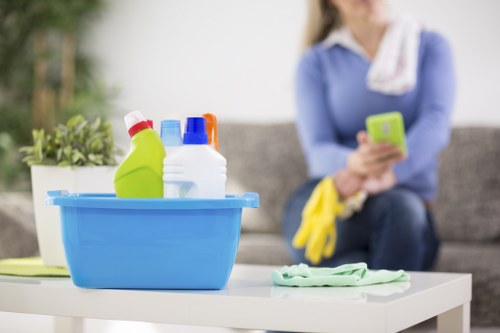
It is not always obvious when furniture needs attention. Some signs are visible, while others are more subtle. If you notice any of the following, it may be time to schedule upholstery cleaning in your home:
- Visible stains or water rings
- Persistent odors from pets, food, or spills
- Discoloration in high-use areas
- Dust or pet hair that keeps reappearing
- A dull or greasy texture on cushions or armrests
- Increased allergy symptoms indoors
Even if furniture does not look dirty, hidden buildup can still be present. Upholstery cleaning in your home is often recommended every 12 to 18 months for average households, though homes with pets, children, or heavy use may need cleaning more often. Regular attention helps prevent damage and keeps your furniture more hygienic.
Another clue is odor. If a sofa smells musty, stale, or “lived in” even after airing out the room, it may be holding onto contaminants in the fibers and padding. Deep cleaning can help neutralize these smells instead of masking them with fragrance. The result is a cleaner, more pleasant home environment.
Benefits of Regular Upholstery Cleaning in Your Home
Health and Hygiene
One of the biggest advantages of upholstery cleaning in your home is improved hygiene. Fabric furniture can trap allergens, bacteria, and dust particles that affect indoor air quality. While no cleaning method can make a room sterile, reducing buildup can support a cleaner and more comfortable home. This is especially important for people with asthma, allergies, or respiratory sensitivities.
Odor Removal
Everyday life leaves a mark on upholstery. Food, pets, smoke, sweat, and spills can all contribute to lingering odors. Cleaning helps lift these smells from deep within the fibers. A fresh sofa or chair can make the whole room feel lighter and more welcoming. Upholstery cleaning in your home can therefore be as much about atmosphere as it is about sanitation.
Extended Furniture Life
Routine maintenance keeps fibers from degrading too quickly. Dirt acts like sandpaper, wearing away at fabric during normal use. By removing grime regularly, upholstery cleaning in your home helps preserve the structure, color, and finish of your furniture. That means your couch or chair can look good for longer and require fewer repairs or replacements.
Better Appearance
There is a noticeable difference between furniture that is merely vacuumed and furniture that has been properly deep cleaned. Stains fade, colors brighten, and the surface often looks smoother and more uniform. Upholstery cleaning in your home can give older furniture a second life and improve the overall style of your interior.
DIY vs Professional Upholstery Cleaning in Your Home
Some homeowners like to handle upholstery care themselves, while others prefer professional help. Both approaches have value, but they serve different purposes. DIY cleaning is useful for routine maintenance and small spills. Professional upholstery cleaning in your home is better suited for deep stains, delicate fabrics, larger items, and long-term care.
For light upkeep, vacuuming once a week and spot-cleaning spills quickly can make a significant difference. You can also use fabric-safe cleaners on approved materials, as long as you test them first. However, overusing household cleaners can create residue or worsen stains. This is one reason many people choose professional upholstery cleaning in your home when they want reliable results.
Professionals bring experience, specialized equipment, and stronger cleaning solutions that are still safe for fabrics when used correctly. They also understand how to handle different textures, seam types, and stain categories. If you value convenience and thorough results, a professional service is often the best choice. It can save time, reduce risk, and produce a noticeably fresher finish.
How to Prepare for Upholstery Cleaning in Your Home
Preparing your space helps the process run smoothly and improves the final result. Before the cleaning team arrives, remove small items such as cushions, throws, toys, and decorative accessories from the furniture area. Clear enough space around the pieces so they can be accessed from multiple angles. This makes upholstery cleaning in your home faster and more efficient.
You may also want to vacuum the furniture lightly if there is a lot of loose debris. This is not always required, but it can help remove surface particles before deeper treatment begins. If there are stains, try to note what caused them and how long they have been there. That information can help the cleaner choose the best treatment method.
Make sure pets are kept away from the work area during the cleaning process and drying period. Open windows if possible to improve airflow, and plan for extra drying time if the upholstery is thick or heavily cleaned. Good preparation supports better outcomes and reduces the chance of accidental re-soiling after upholstery cleaning in your home.
Useful preparation checklist
- Remove blankets, cushions, and loose accessories
- Move small tables or objects away from furniture
- Identify visible stains and odors
- Vacuum lightly if appropriate
- Keep children and pets clear of the area
Best Practices for Maintaining Clean Upholstery Between Services
Keeping furniture in good condition between deep cleans does not need to be difficult. With a few simple habits, you can slow down dirt buildup and keep upholstery looking better for longer. Regular care also reduces the need for intense cleaning sessions later on.
Vacuum upholstered furniture weekly using a soft brush attachment. This removes dust and crumbs before they work deeper into the fabric. Rotate cushions if possible so one area does not receive all the wear. Immediate attention to spills is also important; blot, do not rub, and use only products suitable for the fabric type. These small steps support the effectiveness of upholstery cleaning in your home.
Consider using washable throws or slipcovers on high-traffic furniture. These can act as a protective layer and reduce direct contact with the fabric underneath. You can also keep food and drinks away from soft furnishings when practical. The less contamination the upholstery receives, the longer it will stay fresh and attractive. Prevention is always easier than restoration.
Simple maintenance tips
- Vacuum regularly with a soft upholstery attachment
- Blot spills immediately
- Avoid harsh chemicals unless approved for the fabric
- Keep pets groomed to reduce shedding
- Use throws or covers in busy areas
Stain Removal and Spot Treatment for Upholstery Cleaning in Your Home
Stains are one of the most common reasons people seek upholstery cleaning in your home. From coffee and wine to mud and ink, different stains require different strategies. The key is to act quickly and avoid spreading the stain further. Gentle blotting with a clean white cloth is usually better than aggressive scrubbing, which can push the stain deeper into the fibers.
For water-based stains, a mild upholstery-safe cleaner or diluted soap solution may work well on approved fabrics. Oil-based stains often need a different approach because water alone will not break them down effectively. This is why understanding the stain type is just as important as understanding the fabric. A professional specializing in upholstery cleaning in your home can match the method to the mess.
Be cautious with home remedies you find online. Some can bleach the fabric, set the stain permanently, or leave sticky residue that attracts even more dirt. It is always better to use a fabric-appropriate product and follow the care label instructions. When in doubt, testing a hidden section is essential before treating a visible area.
Eco-Friendly Options for Upholstery Cleaning in Your Home
Many homeowners now look for cleaning solutions that are safer for families, pets, and the environment. Eco-friendly upholstery cleaning in your home often uses low-toxicity or biodegradable products that reduce harsh chemical exposure while still delivering strong results. These approaches can be especially appealing in households with young children or sensitive individuals.
Low-moisture cleaning also supports sustainability by reducing water use and shortening drying times. In some cases, steam-based methods may be used carefully for suitable fabrics, while plant-based detergents or neutral cleaners provide an effective alternative to stronger solvents. The goal is to clean thoroughly without unnecessary environmental impact.
If sustainability matters to you, ask about the products and methods being used. A reputable provider of upholstery cleaning in your home should be able to explain how their process supports both cleaning performance and responsible care. Choosing greener methods does not mean sacrificing quality; it simply means prioritizing balance, safety, and efficiency.
How Often Should You Schedule Upholstery Cleaning in Your Home?
The answer depends on use, fabric type, and household conditions. In a typical home, upholstery cleaning in your home is often recommended every 12 to 18 months. However, families with pets, children, smokers, or frequent guests may benefit from more frequent service. High-traffic furniture usually needs more attention than decorative pieces used only occasionally.
It is also worth considering seasonal timing. Many homeowners prefer cleaning before major holidays, after winter, or during spring refresh periods. Scheduling at the right time can help furniture look its best when the home is busiest. If you are planning events or expecting visitors, upholstery cleaning in your home can make the space feel polished and welcoming.
Ultimately, frequency should be based on visible wear, odors, and daily use. If your furniture starts to look tired or smell stale, it probably needs attention sooner rather than later. Consistency is the most effective way to protect comfort, cleanliness, and appearance over the long term.
Choosing the Right Service for Upholstery Cleaning in Your Home
Finding the right provider is an important step. Look for a company that understands different fabrics, offers suitable cleaning methods, and explains what to expect before work begins. Experience matters because upholstery cleaning in your home involves far more than applying a generic product. The right service should inspect the furniture, identify the fabric, and choose a method that fits both the material and the condition.
You should also ask whether the service includes stain treatment, deodorizing, and drying support. Transparent processes and clear communication are signs of professionalism. When a provider takes the time to explain their approach, it is usually a good sign that they value quality results. Good upholstery cleaning in your home should leave you confident, not confused.
Contact us today if you want furniture that looks cleaner, feels fresher, and lasts longer. Upholstery is a major part of your home’s comfort, and it deserves proper attention. With the right care, you can enjoy a healthier interior and a more polished living space.
Final Thoughts on Upholstery Cleaning in Your Home
Upholstery cleaning in your home is an essential service for anyone who wants a cleaner, healthier, and more attractive living environment. It removes hidden dirt, reduces odors, improves appearance, and helps protect the life of your furniture. From understanding fabric types to choosing the right cleaning method, every step contributes to a better result.
Whether you prefer routine maintenance or professional deep cleaning, the important thing is to stay consistent. Furniture is used every day, and that means it naturally collects soil and allergens. By making upholstery cleaning in your home part of your home care routine, you can preserve comfort and style while avoiding unnecessary wear.
If your furniture is overdue for attention, now is the time to act. Book your service now and give your home the fresh, inviting feel it deserves. Clean upholstery does more than improve a room—it supports a better everyday living experience.