Health and Safety Policy
 This health and safety policy sets out a clear commitment to protecting the wellbeing of employees, contractors, visitors, and anyone else affected by our activities. It provides a practical framework for maintaining safe working conditions, reducing risk, and promoting a culture where safety is taken seriously at every level. Our approach is based on prevention, accountability, and continuous improvement, ensuring that health and safety remains an essential part of everyday operations.
We recognise that effective safety management depends on shared responsibility. Senior leaders are expected to set the tone by demonstrating visible commitment, while managers and supervisors must ensure that procedures are followed consistently. Every individual also has a duty to act responsibly, use equipment correctly, and report hazards promptly. By working together, we can create a workplace where risks are identified early and managed effectively.
 The purpose of this health & safety policy is to prevent accidents, injuries, and work-related ill health wherever reasonably possible. To achieve this, we will assess hazards, implement suitable controls, provide appropriate information, and review our measures regularly. Safety performance will be monitored, and corrective action will be taken whenever standards fall short. This proactive approach supports a safer environment and helps maintain operational reliability.
Risk assessment is central to our health and safety management system. Activities, equipment, and workplace conditions will be reviewed to identify potential sources of harm. Once risks have been identified, suitable precautions will be introduced in line with the level of risk involved. These may include safe systems of work, supervision, maintenance, training, personal protective equipment, or changes to workplace design. The aim is always to reduce exposure and strengthen control measures.
Training and communication are equally important. All personnel will receive the information they need to carry out their tasks safely and confidently. Induction arrangements, task-specific instruction, refresher sessions, and safety briefings will be used to reinforce expectations. We believe that a well-informed workforce is better equipped to recognise unsafe conditions and respond appropriately. Clear communication also ensures that changes in procedures are understood and applied without delay.
 Incident reporting and investigation form a vital part of our occupational health and safety commitment. Any accident, near miss, unsafe condition, or case of ill health linked to work must be reported quickly. Reports will be reviewed carefully so that underlying causes can be identified and lessons learned. Where necessary, control measures will be updated to prevent recurrence. This process supports transparency and helps strengthen the overall safety culture.
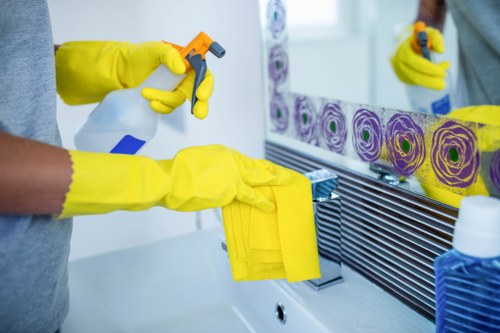
We are committed to maintaining safe workplaces through regular inspection, maintenance, and housekeeping standards. Work areas should be kept tidy and free from avoidable obstructions, while tools, machinery, and other equipment must be maintained in a safe condition. Defects or deterioration should be addressed without delay. Good housekeeping is not a minor detail; it is a practical foundation of an effective safety policy and helps prevent slips, trips, falls, and other common hazards.
Emergency preparedness is another essential element of our policy. Appropriate arrangements will be in place to respond to fire, evacuation, first aid needs, and other foreseeable emergencies. Procedures will be tested and reviewed so that everyone knows how to act calmly and efficiently if an incident occurs. A well-prepared workplace is one where people can respond quickly, protect themselves and others, and limit the impact of unexpected events.
We also recognise the importance of wellbeing in a modern health and safety policy. Safety is not limited to physical hazards alone; it also includes supporting mental wellbeing, managing workload where possible, and encouraging respectful behaviour. Fatigue, stress, and poor communication can all affect judgement and increase risk. For that reason, we will promote open discussion, encourage early reporting of concerns, and seek practical steps to reduce pressure where feasible.
 This policy will be reviewed regularly to ensure it remains effective, relevant, and proportionate to the nature of our activities. Changes in work methods, equipment, staffing, or identified risks may require updates to procedures and controls. Reviews will consider incident trends, audit findings, and feedback from safety inspections, helping us to strengthen our approach over time. Continuous improvement is a core principle of our occupational health and safety policy.
Compliance with this policy is mandatory for all staff and representatives acting on our behalf. Any deliberate breach of safety rules, repeated negligence, or failure to cooperate with safety requirements may result in disciplinary action or other appropriate measures. However, the main emphasis is not punishment; it is prevention, learning, and the development of better habits. A positive safety culture depends on fairness, consistency, and accountability.
 Ultimately, our health and safety policy reflects our belief that every person has the right to work in a safe and healthy environment. By identifying risks early, setting clear standards, and maintaining strong communication, we can reduce harm and support reliable day-to-day operations. Safety is a shared responsibility, and its success depends on commitment, vigilance, and care at every level.