Stain Removal in Everyday Life: Practical Methods for Cleaner Fabrics, Surfaces, and Peace of Mind
Why Stain Removal Matters More Than You Think
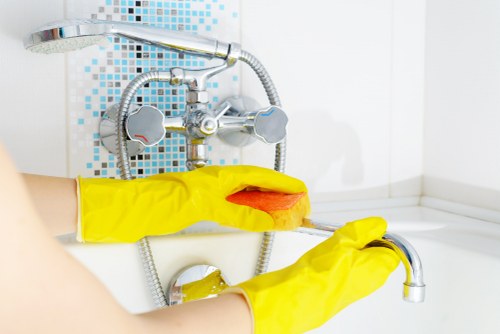
Stain removal is one of those everyday tasks that can feel small until a spill happens on your favorite shirt, sofa, rug, or tablecloth. Then it becomes urgent. Whether it is coffee on cotton, grease on upholstery, ink on a blouse, or red wine on a carpet, effective stain removal helps preserve the look, value, and lifespan of the items you use most.
Beyond appearance, proper stain removal can prevent permanent damage. Some stains bond quickly with fibers, while others spread deeper if treated the wrong way. That is why understanding the basics of stain treatment is so useful. A fast response, the right cleaning product, and the correct technique can make the difference between a temporary mark and a lasting blemish.
Modern stain removal is not just about scrubbing harder. In many cases, aggressive cleaning pushes the stain further into the material or weakens delicate fabrics. A smarter approach uses the stain’s nature, the surface type, and the right cleaning agent to remove residue safely and effectively.
Understanding Different Types of Stains
Successful stain removal starts with identifying what caused the stain. Different substances behave differently, and each requires a slightly different method. A food stain is not treated the same way as an oil-based mark, and a protein stain is not handled the same way as a dye stain.
Here are the main categories most people encounter:
- Water-based stains: coffee, tea, juice, soda, wine, and some sauces
- Oil-based stains: cooking grease, makeup, lotion, butter, and motor oil
- Protein stains: blood, sweat, dairy, eggs, and some food residues
- Tannin stains: coffee, tea, wine, and fruit-based spills
- Ink and dye stains: pens, markers, fabric dye, and colored drinks
- Organic stains: mud, grass, food, and other natural debris
Knowing the stain type helps determine whether you should use cold water, warm water, detergent, vinegar, baking soda, enzyme cleaners, or professional stain removal products. A thoughtful approach saves time and reduces the risk of making the mark worse.
First Steps That Improve Stain Removal Success
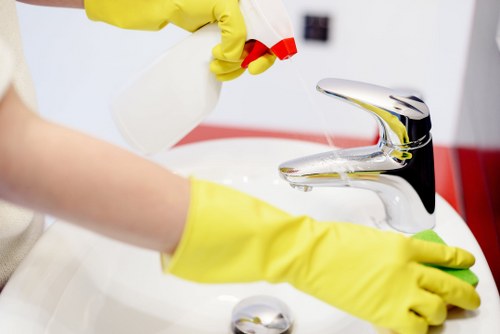
When a spill occurs, the first few minutes matter. The most effective stain removal process often begins before any cleaner is applied. Quick action can stop a stain from settling into fibers and make later cleaning much easier.
Follow these basic first steps:
- Blot, don’t rub: Use a clean cloth or paper towel to lift excess liquid.
- Remove solids carefully: Scrape food or residue gently with a spoon or dull edge.
- Test first: Check cleaners on a hidden area before treating the stain.
- Act quickly: The sooner you start, the higher the chance of success.
- Use the right water temperature: Cold water works best for many protein stains, while warm water may help with grease and detergent-based cleaning.
These simple habits support better stain removal results and reduce fabric damage. They are especially important for delicate clothing, upholstery, and carpets where harsh treatment can lead to fading or distortion.
Tip: If you are unsure what caused the stain, start with a mild solution rather than a stronger one. Gentle first steps are often the safest choice in stain removal.
Stain Removal on Clothing
Common Fabric Stains and What Works Best
Clothing is one of the most common places where stain removal becomes necessary. Shirts, pants, dresses, and uniforms all face daily exposure to spills, sweat, makeup, and outdoor dirt. The fabric type matters, but so does the stain itself.
For many clothing stains, a basic process works well: blot the excess, apply a suitable cleaner, let it sit briefly, and wash according to the garment label. However, certain stains need a more targeted method.
Useful approaches for clothing include:
- Coffee or tea: Rinse with cold water, then treat with liquid detergent or a mild stain remover
- Grease: Apply dish soap or a degreasing cleaner before washing
- Ink: Dab with rubbing alcohol carefully and rinse thoroughly
- Blood: Use cold water and an enzyme-based cleaner
- Makeup: Pre-treat with laundry detergent or micellar cleansing products
Stain removal on clothing should be gentle for delicate items like silk, wool, and lace. These fabrics may require professional attention if the stain is severe or if the label warns against water-based cleaning. Always check care instructions before treating the garment.
What Not to Do on Clothing
Some common mistakes can actually make stain removal harder. Avoid hot water on protein stains, which can set them permanently. Do not use bleach on colored garments unless the care label specifically allows it. And avoid aggressive scrubbing, which can push the stain deeper or damage the weave of the fabric.
Stain Removal for Carpets and Rugs
Protecting Floor Coverings from Permanent Marks
Carpets and rugs are highly absorbent, which means stain removal needs to happen quickly and carefully. A spill that sits for too long can seep below the surface and affect the padding beneath. That is why carpet stain treatment often requires patience, blotting, and repeated light cleaning rather than a single heavy application.
To treat carpet stains effectively, start by removing any solids. Then blot the area with a clean towel. Apply a small amount of carpet-safe cleaner or a diluted solution appropriate for the stain type. Work from the outside of the stain inward to prevent spreading.
Some practical methods include:
- Red wine: Blot immediately, then use cold water and a carpet stain solution
- Pet accidents: Use an enzyme cleaner designed to break down organic residue
- Mud: Let it dry, vacuum, and then spot clean with mild detergent
- Grease: Sprinkle absorbent powder first, then clean with a grease-fighting product
For stain removal on rugs, always consider the fiber type. Wool rugs, antique pieces, and natural fibers may require specialized care. If a stain remains after gentle treatment, it may be safer to consult a professional cleaning service than to keep experimenting.
Stain Removal on Upholstery and Furniture
Upholstery can be trickier than clothing because many pieces cannot be fully washed. That makes stain removal more delicate. Sofas, chairs, cushions, and fabric headboards may each have different cleaning codes or material requirements, so it is important to read labels and test solutions first.
For most upholstered surfaces, the best method is to blot the stain, use a minimal amount of cleaner, and avoid soaking the fabric. Too much moisture can cause discoloration, odor, or water rings. A small handheld brush or microfiber cloth may help lift the mark without rough treatment.
Common upholstery solutions include:
- Water-based spots: mild soap and water
- Oil stains: upholstery-safe degreaser or absorbent powder
- Odor-related stains: enzyme cleaners for organic residue
- Surface dirt: vacuuming followed by spot treatment
Stain removal on furniture should always balance cleaning power with fabric safety. If the stain is large, old, or located on a valuable item, professional upholstery care may be the smartest choice.
Why Drying Matters
After treatment, upholstery should dry completely and evenly. Use ventilation, fans, or open windows if needed. Uneven drying can leave marks that look like new stains, even after successful stain removal.
Stain Removal in the Kitchen
Grease, Sauce, and Food Spills
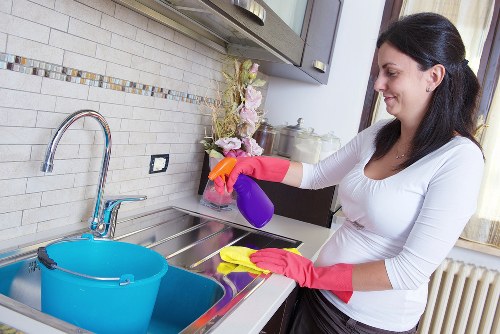
The kitchen is a major source of stains because it combines heat, oil, sauces, coffee, and everyday mess. Effective stain removal in this area often focuses on grease control and prompt cleanup. Countertops, dish towels, table linens, and appliances can all show marks quickly.
For fabric kitchen items, dish soap is often a reliable first step because it breaks down grease. For hard surfaces, a degreasing cleaner or a vinegar-based solution may be enough. However, always verify surface compatibility, especially on stone, wood, or specialty finishes.
Helpful kitchen stain-removal habits include:
- Wipe spills as soon as they happen
- Use a non-abrasive sponge or cloth
- Treat grease before laundering towels or linens
- Rinse food residue before it dries and hardens
Kitchen stain removal also benefits from good organization. Keeping cloths, mild detergents, and absorbent materials nearby means you can respond before the stain spreads. This is especially useful for tomato sauce, curry, and oil splatter, which can be stubborn once dry.
Stain Removal in the Bathroom
Bathroom stains may involve soap scum, toothpaste, makeup, mildew, hard water marks, or shampoo residue. While not always as dramatic as food or wine stains, they still require regular stain removal to keep surfaces clean and hygienic.
On sinks, tiles, and counters, a non-scratch cleaner can remove buildup without damaging finishes. On fabric items like towels, bath mats, and shower curtains, stain treatment often depends on whether the residue is oily, colored, or mineral-based. Makeup stains, for example, may need a pre-wash spot treatment before laundering.
Some useful bathroom stain strategies are:
- Soap scum: Use a suitable descaling or bathroom cleaner
- Makeup: Pre-treat with detergent or stain remover
- Hard water spots: Vinegar-based solutions may help on compatible surfaces
- Mildew: Clean promptly and improve airflow to prevent recurrence
Bathroom stain removal is often about routine maintenance as much as emergency cleanup. Regular attention prevents stubborn buildup and keeps surfaces looking fresh.
Natural and DIY Stain Removal Methods
When Simple Household Products Help
Many people prefer DIY stain removal solutions because they are convenient and often budget-friendly. Common household items such as baking soda, vinegar, dish soap, and hydrogen peroxide can be effective when used correctly. Still, results depend on the stain, the material, and proper dilution.
Baking soda can help absorb moisture and odors, especially on carpets and upholstery. Vinegar is useful for some water-based residues and mineral deposits. Dish soap works well on grease. Hydrogen peroxide can assist with certain organic stains, but it should be tested carefully because it may lighten fabrics.
Best practices for DIY stain removal include:
- Use small amounts rather than soaking the area
- Mix solutions in safe, recommended ratios
- Test on a hidden section first
- Avoid combining chemicals that may react badly
Important: DIY stain removal is not always suitable for delicate, dyed, or antique materials. If you are working with silk, suede, leather, or heirloom textiles, a milder or professional approach is safer.
Professional Stain Removal: When to Seek Help
There are times when professional stain removal is the best investment. Deep stains, large spills, valuable fabrics, and delicate materials may require expertise that goes beyond household cleaning supplies. Professionals often have access to specialized solvents, equipment, and methods that improve results while protecting the item.
Consider professional help if:
- The stain has been set for a long time
- The item is expensive, delicate, or sentimental
- Home cleaning has faded or spread the stain
- The stain involves ink, dye, oil, or unknown chemicals
- You are dealing with upholstery, rugs, or specialty fabrics
In many cases, the cost of expert stain removal is lower than replacing the damaged item. That makes professional treatment a practical solution, not just a luxury. If you want the best possible outcome for a difficult stain, contact us today to discuss your options and book your service now.
How to Prevent Stains Before They Start
Simple Habits That Make Cleanup Easier
Prevention is one of the smartest parts of stain management. While no one can avoid every spill, a few habits reduce the need for urgent stain removal later. Protective measures can save money, time, and frustration.
Here are practical prevention ideas:
- Use protectors: Apply fabric or upholstery protectors where appropriate
- Keep cleaning supplies nearby: Quick access supports fast response
- Choose darker or patterned fabrics: These can hide small marks better
- Be careful with food and drinks: Especially around carpets, couches, and light clothing
- Clean regularly: Dirt and residue can make future stains harder to remove
Routine care makes stain removal easier because fabrics and surfaces stay in better condition overall. Prevention also supports a cleaner, more polished appearance in homes, offices, and shared spaces.
SEO-Friendly Stain Removal Tips for Better Results
Keeping Cleaning Efforts Consistent and Effective
If you are trying to improve results from stain removal, consistency matters. Using the right method every time is more effective than trying a different aggressive approach for each spill. A repeatable process helps you handle stains faster and more confidently.
A simple stain-removal workflow can look like this:
- Identify the stain type
- Check the surface or fabric care instructions
- Blot or remove excess material
- Apply a safe cleaner
- Rinse or wash appropriately
- Dry thoroughly and inspect the result
This kind of organized stain removal process is useful for homes, businesses, rental properties, and households with children or pets. It also improves search visibility when readers are looking for practical solutions to specific stain problems.
Strong Keywords People Search For
Readers often search using phrases like best stain removal methods, stain removal for clothes, carpet stain removal, remove tough stains, and how to get rid of stains. Including these variations naturally helps content connect with real search intent while still sounding human and readable.
A Final Cleaning Mindset
The most effective stain removal combines speed, patience, and the right technique. Small spills can become big problems if ignored, but most stains are manageable when treated properly. Whether you are cleaning a shirt, rug, couch, or countertop, the right approach protects your belongings and keeps your space looking its best.
If you need help with persistent stains or want professional-level results, book your service now and take the next step toward cleaner, fresher surfaces. Smart stain removal is not just about removing marks; it is about preserving what matters and making everyday cleaning easier in the long run.